Ohio’s Rainwater and Land Development Manual defines stormwater practices and standards, influencing rivers, creeks, and lakes through runoff management․
It’s a crucial resource for professionals․
Purpose and Scope of the Manual
The Ohio Rainwater and Land Development Manual establishes statewide standards for managing stormwater runoff, aiming to protect Ohio’s valuable water resources․
Its scope encompasses all phases of land development, from initial planning and design through construction and long-term maintenance․
The manual guides engineers and professionals in implementing Best Management Practices (BMPs),
like construction entrance mats and pretreatment swales, to minimize erosion, sediment control, and improve water quality․
It serves as a vital tool for compliance with Ohio EPA regulations․
Historical Context and Editions (Focus on 2006 Third Edition)
The Ohio Rainwater and Land Development Manual has evolved through several editions to reflect advancements in stormwater management․
The Third Edition, published in 2006, represents a significant milestone, defining standards and specifications for stormwater practices․
This edition built upon previous versions, incorporating updated research and best practices․
It’s a foundational document, still relevant today, providing technical details for BMPs like construction entrances and channel design,
and guiding professionals in responsible land development․
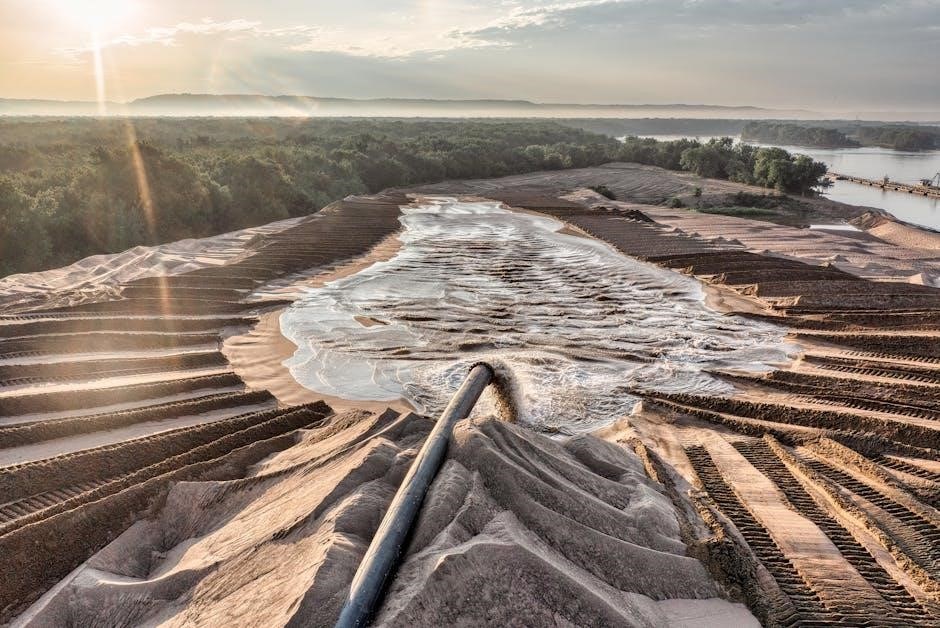
Stormwater Management Standards in Ohio
Ohio EPA regulations guide stormwater management, with the Rainwater and Land Development Manual providing essential standards and specifications for responsible practices statewide․
Overview of Ohio EPA Regulations
The Ohio EPA establishes regulations for stormwater management to protect state waters․ Guidance Documents for the Construction Storm Water Program are available online, referencing the Rainwater and Land Development Manual․ This manual details Best Management Practices (BMPs), including pretreatment and channel design․
Compliance with these regulations is vital for land developers and engineers, ensuring responsible stormwater handling and minimizing environmental impact․ The EPA provides resources to aid in understanding and implementing these standards․
ODNR Involvement and Contributions
The Ohio Department of Natural Resources (ODNR) played a significant role in developing the Rainwater and Land Development Manual․ Samuel W․ Speck, Director, acknowledged contributions from all involved, with special thanks to John Mathews for his leadership․
ODNR’s involvement ensures the manual reflects best practices for managing rainwater runoff and protecting Ohio’s valuable water resources․ Their continued support aims for future improvements in stormwater management․
Key Components of Stormwater Runoff Management
Stormwater runoff management centers on understanding surface runoff and how land management impacts water quality, as defined within the Ohio manual․
Understanding Surface Runoff
Surface runoff is fundamentally how rainwater interacts with the land, directly supplying and influencing Ohio’s vital waterways – rivers, creeks, and lakes․ The Rainwater and Land Development Manual emphasizes that managing this runoff is critical․ Factors like rainfall intensity, slope, and soil type significantly affect runoff volume and velocity․
Effective stormwater management, as detailed in the manual, requires a thorough understanding of these processes to minimize impacts on water resources and maintain ecological balance․
Influence of Land Management on Water Quality
Land management practices profoundly impact water quality, as the Rainwater and Land Development Manual recognizes․ How land is used – agriculture, construction, or urban development – dictates the type and amount of pollutants entering waterways via stormwater runoff․
Poor land management can increase sediment, nutrients, and other contaminants, while responsible practices, guided by the manual’s BMPs, mitigate these effects, protecting Ohio’s aquatic ecosystems․
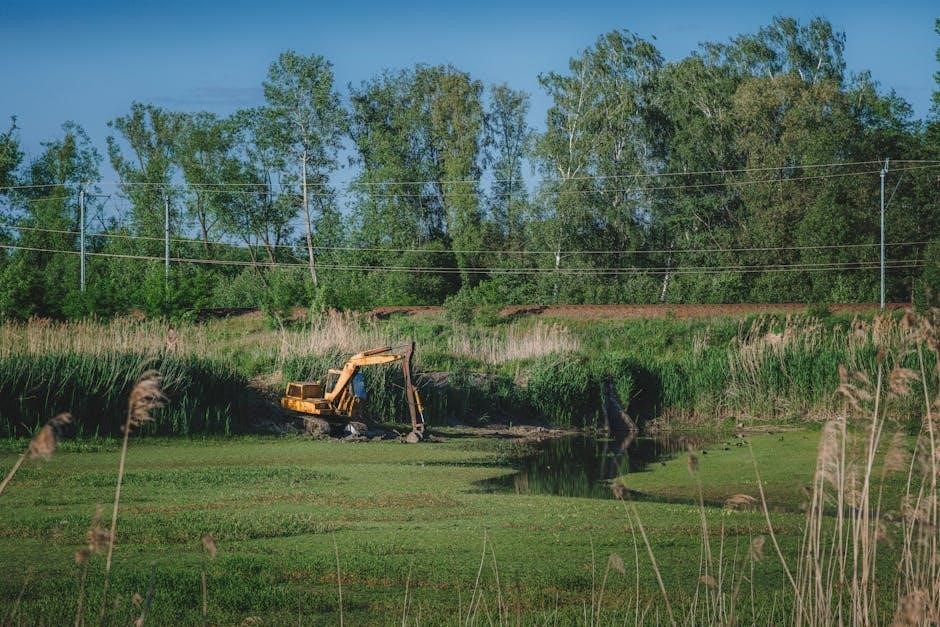
Best Management Practices (BMPs) Detailed in the Manual
The manual details crucial BMPs like construction entrance mats, FODS trackout control, pretreatment swales, and open channel designs for effective stormwater management․
Construction Entrance Mats & FODS Trackout Control
Construction entrances are a primary BMP, designed to minimize mud and sediment leaving construction sites via vehicle traffic․ The FODS Trackout Control System is specifically highlighted as an early implementation strategy․
These measures reduce trackout, preventing off-site sediment pollution․ Detailed technical specifications for these BMPs, including construction entrances, are comprehensively listed within the Rainwater and Land Development Manual, ensuring consistent application and effectiveness across projects․
Pretreatment Swales and Provisional Standards
The Ohio Rainwater and Land Development Manual incorporates Provisional Standards for pretreatment practices, including Pretreatment Swales․ These swales are vital for initial runoff filtration, removing sediment and pollutants before they reach larger stormwater controls․
Summit County’s Stormwater Drainage Manual references the Ohio EPA manual, emphasizing pretreatment’s importance․ Utilizing these standards ensures effective water quality protection during land development projects․
Open Channel Design Criteria
The Rainwater and Land Development Manual outlines specific design criteria for open channels used in stormwater management․ Constructed channels must be shaped and graded to meet required dimensions, ensuring proper drainage capacity․
Summit County’s manual references the ODOT Location and Design Manual (Volume 2) alongside the Ohio EPA manual for these criteria․ Adherence to these standards is crucial for effective and safe stormwater conveyance․
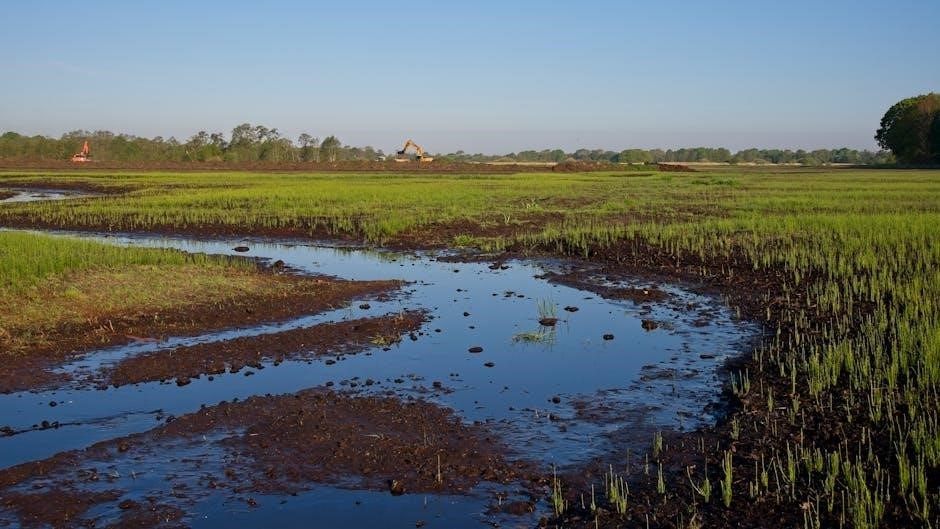
Design Considerations for Land Development
Land development projects in Ohio must integrate the Rainwater and Land Development Manual with local stormwater regulations and ODOT’s Drainage Design guidelines․
ODOT Location and Design Manual (Volume 2 ‒ Drainage Design)
Ohio’s Department of Transportation (ODOT) provides comprehensive Drainage Design guidance in Volume 2 of its Location and Design Manual․ This resource is vital for land development projects, offering detailed specifications for stormwater management․
It complements the Rainwater and Land Development Manual, ensuring consistent standards across state and local initiatives․ Engineers should consult both manuals for complete design criteria, particularly regarding open channel design and pretreatment BMPs․
Integration with Local Stormwater Regulations
Ohio’s Rainwater and Land Development Manual serves as a foundation, but local jurisdictions may have additional stormwater regulations․ Successful project design requires careful integration of state standards with these local requirements․
Engineers must verify compliance with both the Manual and any applicable city or county ordinances․ This ensures projects meet or exceed all necessary stormwater management criteria, protecting water quality and minimizing environmental impact․
Specific BMPs and Their Application
The Manual details Best Management Practices (BMPs) like construction entrance mats, pretreatment swales, and open channels, offering specifications for effective stormwater control․
Detailed Specifications for Pretreatment BMPs
Pretreatment BMPs, as outlined in the Ohio Rainwater and Land Development Manual, are crucial for initial runoff quality improvement․ These include provisional standards and pretreatment swales designed to remove sediment and pollutants․
Specifications cover design criteria, ensuring effective pollutant removal before stormwater reaches main controls․ The manual provides guidance on sizing, grading, and vegetation for optimal performance, referencing the Ohio EPA’s guidance documents for construction stormwater programs․
Constructed Channel Design and Grading
Constructed channels, detailed within the Ohio Rainwater and Land Development Manual, require specific design and grading criteria․ These channels must be shaped and graded to required dimensions, ensuring proper flow capacity and stability․
The manual references ODOT’s Volume 2 ‒ Drainage Design for further guidance․ Proper design minimizes erosion and maximizes pollutant removal, aligning with Ohio EPA regulations and overall stormwater management goals․
Resources and Guidance Documents
Ohio EPA provides guidance for construction stormwater programs and the Rainwater and Land Development Manual is available online, offering crucial stormwater standards and BMP details․
Ohio EPA Guidance for Construction Storm Water Program
The Ohio EPA offers comprehensive guidance documents specifically for the Construction Storm Water Program․ These resources support compliance with regulations and promote best practices for managing stormwater runoff from construction sites․
Key information, including access to Ohio’s Rainwater and Land Development Manual, is readily available on the EPA’s website․ This manual details standards for BMPs, crucial for minimizing erosion and sediment control, ensuring water quality protection throughout construction projects․
Accessing the Rainwater and Land Development Manual Online
The Ohio Rainwater and Land Development Manual is conveniently accessible online through the Ohio EPA’s website․ A direct link provides immediate access to the latest edition and supporting documentation․
This digital resource offers professionals and stakeholders crucial stormwater management standards and specifications․ Users can easily download the manual, review BMP details, and stay current with Ohio’s evolving stormwater regulations for effective land development practices․
Future Improvements and Updates
Ongoing efforts aim to enhance stormwater management within the manual, relying on stakeholder input for revisions and incorporating best practices for continued improvement․
Ongoing Efforts to Enhance Stormwater Management
Continuous improvement is vital for Ohio’s stormwater regulations․ Stakeholders actively participate in revising the Rainwater and Land Development Manual, ensuring it reflects current best practices․ These efforts focus on refining BMP specifications, addressing emerging challenges, and integrating new technologies․ The goal is to optimize runoff control, protect water quality, and minimize environmental impacts across the state, fostering sustainable land development practices for future generations․
The Role of Stakeholders in Manual Revisions
Collaborative input is central to updating Ohio’s Rainwater and Land Development Manual․ Diverse stakeholders – engineers, ODNR, Ohio EPA, and local entities – contribute expertise․ Their involvement ensures revisions address real-world challenges and reflect evolving best management practices․ This inclusive process guarantees the manual remains a relevant, effective tool for stormwater management, promoting consistent standards and environmental protection throughout Ohio’s land development projects․
Technical Details and Specifications
The manual provides Ohio standards for BMP design criteria, including dimensions and specifications for constructed channels, vital for effective stormwater control and compliance․
Ohio Standards for BMP Design Criteria
Ohio’s BMP design criteria, detailed within the Rainwater and Land Development Manual, are essential for effective stormwater management․ These standards cover various practices, from construction entrance mats and FODS trackout control to pretreatment swales and open channel designs․
The manual offers technical specifications, ensuring consistent application and performance․ Professionals rely on these guidelines to meet regulatory requirements and protect Ohio’s water resources, promoting sustainable land development practices․
Dimensions and Specifications for Constructed Channels
Constructed channel designs, as outlined in the Ohio Rainwater and Land Development Manual, require specific dimensions and grading to meet required standards․ The manual dictates shaping and grading to ensure proper functionality and prevent erosion․
These specifications are crucial for managing surface runoff effectively, integrating with local regulations, and adhering to ODOT’s Drainage Design guidelines (Volume 2)․ Proper channel construction safeguards water quality․

The Importance of Erosion and Sediment Control
Erosion and sediment control are vital, minimizing trackout and mud leaving construction sites․ Early BMP implementation, like construction entrances, is key for compliance․
Minimizing Trackout and Mud Leaving Construction Sites
Construction entrances are foundational BMPs, strategically designed to significantly reduce the amount of mud transported off-site by construction vehicles․ These entrances act as a first line of defense against sediment pollution․
The Rainwater and Land Development Manual provides detailed technical specifications for constructing effective entrances, emphasizing their crucial role in maintaining water quality and complying with Ohio EPA regulations․ Proper design and maintenance are paramount for success․
Implementing BMPs Early in Construction Projects
Early implementation of Best Management Practices (BMPs), like construction entrance mats and FODS trackout control systems, is vital for effective erosion and sediment control․ Proactive measures minimize disturbance and prevent pollutants from leaving the construction site․
The Rainwater and Land Development Manual stresses this approach, advocating for BMP installation as one of the initial steps in any project․ This ensures immediate protection of Ohio’s waterways and compliance with regulations․
Relationship to Other Ohio Regulations
The manual coordinates with Ohio’s water quality and surface water regulations, ensuring stormwater management aligns with broader environmental protection standards and compliance․
Coordination with Water Quality Standards
Ohio’s stormwater management, as detailed in the Rainwater and Land Development Manual, directly supports the state’s overarching water quality goals․
Effective BMP implementation minimizes pollutants entering waterways, safeguarding aquatic life and recreational uses․ This coordination ensures land development practices don’t compromise established water quality benchmarks․
The manual’s standards are designed to complement and uphold the integrity of Ohio’s surface water regulations, fostering a holistic approach to environmental stewardship and resource protection․
Compliance with Surface Water Regulations
Adhering to Ohio’s surface water regulations is paramount when utilizing the Rainwater and Land Development Manual․ The manual provides guidance for developers and engineers to meet requirements set by the Ohio EPA․
Proper implementation of BMPs, like construction entrance mats and pretreatment swales, ensures projects avoid violations and protect valuable water resources․
Compliance safeguards Ohio’s rivers, creeks, and lakes from pollution stemming from land development activities․
Manual Updates and Revisions
The Rainwater and Land Development Manual undergoes periodic revisions to incorporate best practices and address evolving stormwater management challenges, ensuring continued relevance․
Tracking Changes and New Editions
Staying current with the Ohio Rainwater and Land Development Manual requires diligent tracking of updates and new editions․ The manual is periodically revised to reflect advancements in stormwater management techniques and regulatory changes․ Professionals should regularly check the Ohio EPA website for the latest version, as provisional standards and pretreatment specifications are often updated․ Awareness of these changes is vital for ensuring project compliance and implementing effective Best Management Practices (BMPs), like construction entrance mats and FODS trackout control systems․
Staying Current with Best Practices
Maintaining expertise in stormwater management demands continuous learning and adherence to best practices outlined in the Ohio Rainwater and Land Development Manual․ This includes understanding evolving pretreatment BMPs, constructed channel design, and erosion/sediment control techniques․ Professionals must actively seek updates from the Ohio EPA and organizations like the Ohio Stormwater Association to ensure projects align with current standards and effectively minimize trackout and mud leaving construction sites․
The Role of Engineers and Professionals
Engineers utilize the Rainwater and Land Development Manual for project design, ensuring responsible stormwater management and compliance with Ohio EPA regulations and local ordinances․
Responsibilities in Stormwater Management
Professionals bear significant responsibility for implementing effective stormwater practices, guided by the Ohio Rainwater and Land Development Manual․ This includes careful design, proper BMP selection, and diligent oversight during construction․
Engineers must ensure projects adhere to both state regulations and local stormwater ordinances, minimizing environmental impact․ Prioritizing erosion and sediment control, like construction entrance mats, is crucial from project inception, safeguarding water quality and complying with standards․
Utilizing the Manual for Project Design
The Ohio Rainwater and Land Development Manual serves as a cornerstone for land development project design․ It provides detailed specifications for BMPs, including pretreatment swales and constructed channels, ensuring compliance with Ohio EPA regulations and ODOT standards․
Engineers leverage the manual’s guidance on open channel design, grading, and trackout control, integrating provisional standards for effective stormwater runoff management․ Accessing the online manual facilitates current best practice implementation․
Appendix and Supporting Information
The manual offers valuable resources, data, and a glossary of terms․ Ohio EPA guidance and the online manual provide further support for stormwater management practices․
Available Resources and Data
Numerous resources bolster the Ohio Rainwater and Land Development Manual․ The Ohio EPA provides guidance documents for the Construction Storm Water Program, accessible via their website․ Ohio Stormwater Association links to design criteria standards․ ODOT’s Volume 2 – Drainage Design, alongside the manual’s provisional standards, pretreatment sections, and channel design details, offer comprehensive data․ Online access to the manual itself, frequently updated, is a key resource for professionals seeking current best practices․
Glossary of Terms
A comprehensive glossary within the Ohio Rainwater and Land Development Manual clarifies specialized terminology crucial for effective stormwater management․ BMPs (Best Management Practices), trackout control, pretreatment swales, and constructed channels are defined․ Understanding terms like ODNR, Ohio EPA, and ODOT is essential․ This glossary ensures consistent interpretation and application of standards, promoting clarity for engineers and professionals utilizing the manual’s guidance․