Article Plan: Router Bit Profile Chart PDF
This article details creating and utilizing router bit profile charts, essential for woodworkers seeking precision and efficiency in their projects.
We’ll explore the benefits of these charts, covering bit selection, understanding profiles, and locating downloadable PDF resources for immediate use.
Information from woodworkingarchive.biz highlights the importance of planning and bit selection when applying decorative treatments, reinforcing the need for a comprehensive chart.
Router bit profiles are the shapes created by a router bit as it cuts into wood, defining the edge or surface detail of a project. These profiles range from simple straight cuts to intricate decorative designs, offering limitless possibilities for woodworking.
Understanding these profiles is crucial for achieving desired aesthetic effects and ensuring accurate joinery. A router bit profile chart serves as a visual guide, showcasing the diverse range of available bits and the corresponding shapes they produce. As noted by resources like woodworkingarchive.biz, successful decorative routing relies heavily on careful bit selection and planning.
Without a clear understanding of bit profiles, woodworkers may struggle to achieve consistent results or select the appropriate bit for a specific task. This introduction will lay the groundwork for mastering router bit profiles, setting the stage for utilizing charts effectively and expanding your woodworking capabilities.

Why Use a Router Bit Profile Chart?
A router bit profile chart streamlines project planning and execution, eliminating guesswork in bit selection. It provides a quick visual reference to match desired edge profiles with the correct router bit, saving time and reducing material waste.
As highlighted by woodworkingarchive.biz, decorative routing hinges on precise bit selection. A chart ensures you choose the bit that will deliver the intended aesthetic, preventing costly errors. Furthermore, charts aid in understanding the nuances of each profile – depth of cut, optimal wood type, and potential applications.
For both novice and experienced woodworkers, a chart fosters confidence and expands creative possibilities. It’s an invaluable tool for visualizing project outcomes and communicating design intentions effectively, ultimately leading to higher-quality results.
Understanding Router Bit Terminology
Decoding router bit terminology is crucial for effectively utilizing a profile chart and achieving desired results. Key terms include shank size – the diameter determining router compatibility – and cutting edge geometry, defining the shape and precision of the cut.
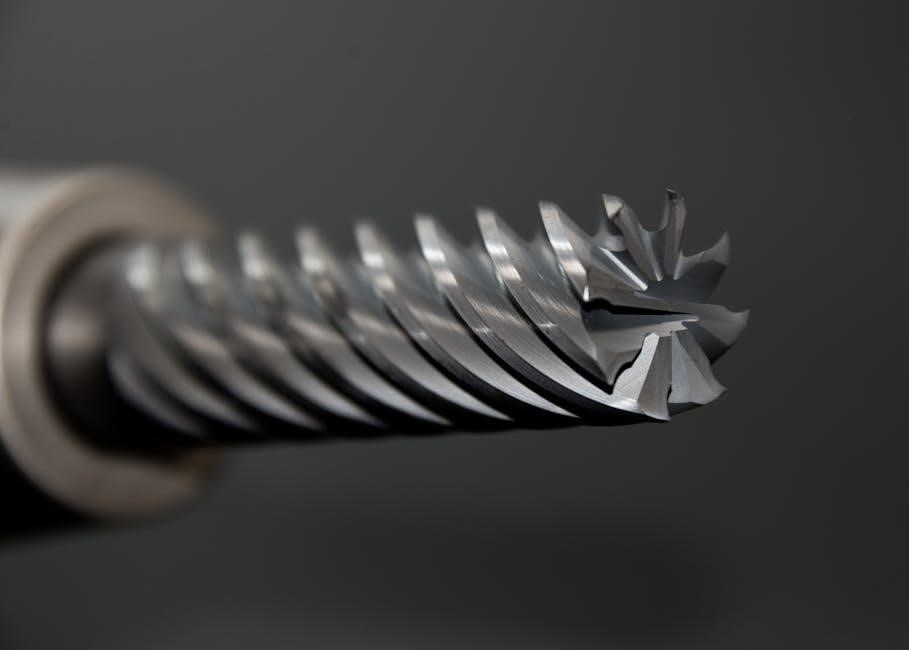
Flute count impacts chip evacuation and cut smoothness, while spiral direction (up-cut, down-cut, or spiral) influences the finish and tear-out. Understanding these elements allows for informed bit selection based on wood type and project requirements.
A comprehensive profile chart often includes these specifications, enabling woodworkers to match the bit’s characteristics to the task at hand. Mastering this terminology, as emphasized by resources like woodworkingarchive.biz, is fundamental to successful routing and decorative woodworking.
Shank Size and Type
Router bit shanks dictate compatibility with your router and influence stability during operation. Common shank sizes are ¼ inch and ½ inch, with ½ inch generally preferred for larger bits and heavier cuts due to increased rigidity.
Shank type also varies; straight shanks are standard, while reducing shanks allow using smaller bits in larger collets with adapters. A router bit profile chart will clearly indicate the shank size and type for each bit, preventing improper fit and potential damage.
Selecting the correct shank size is paramount for safety and precision. Ignoring this specification can lead to bit slippage or breakage, compromising project quality. Resources emphasize careful consideration of shank compatibility when planning any routing operation.
Cutting Edge Geometry
The cutting edge geometry of a router bit profoundly impacts the quality and efficiency of the cut. This encompasses factors like shear angle, flute design, and point angle, all influencing chip evacuation and surface finish.
A router bit profile chart details these geometric characteristics, enabling informed bit selection for specific materials and applications. For instance, bits designed for hardwoods often feature higher shear angles to minimize tear-out. Understanding these nuances is crucial for achieving clean, precise results.
Decorative bits, as highlighted by woodworking resources, require careful planning based on profile geometry. A chart provides a visual reference, simplifying the selection process and ensuring the desired decorative effect is achieved. Proper geometry minimizes vibration and maximizes cutting performance.
Flute Count and Spiral Direction
The number of flutes and their spiral direction significantly affect a router bit’s performance and the resulting cut quality. A router bit profile chart meticulously details these specifications, aiding in optimal bit selection.
Bits with more flutes generally produce a smoother finish but can generate more heat due to increased friction. Spiral direction – upcut, downcut, or up/downcut – dictates chip ejection. Upcut bits pull chips upwards, ideal for most applications, while downcut bits push chips downwards, minimizing tear-out on top surfaces.
Understanding these factors, as emphasized in woodworking guides, is vital for decorative routing. The chart clarifies how flute count and spiral direction interact with wood grain, ensuring clean lines and preventing chipping. Careful consideration leads to professional-quality results.
Common Router Bit Profiles – A Categorization
A comprehensive router bit profile chart organizes bits into functional categories, simplifying selection for diverse woodworking tasks. This categorization moves beyond simply listing bits, offering a practical framework for project planning.
Common categories include straight bits for basic cuts, roundover bits for softening edges, and ogee/cove bits for decorative detailing. Further divisions encompass rabbeting, dado, and tongue & groove bits for joinery. Decorative profiles, like gothic or quarter-round, add aesthetic appeal.
As highlighted by resources like woodworkingarchive.biz, successful decorative routing relies on thoughtful bit selection. A well-structured chart provides a visual guide, enabling woodworkers to quickly identify the appropriate profile for their desired effect, streamlining the workflow and enhancing project outcomes.
Straight Router Bits
Straight router bits are foundational tools, essential for a vast range of woodworking operations. A router bit profile chart clearly illustrates their versatility, showcasing variations in shank size, cutting edge geometry, and flute length.
These bits excel at tasks like cutting dados, rabbets (when used with a fence), and creating grooves. They are also crucial for pattern work and flush trimming, especially when paired with a bearing guide. Charts often detail specific applications for different straight bit diameters.
Understanding the nuances of straight bits, as emphasized by resources focusing on router techniques, is paramount. A profile chart aids in selecting the correct bit for the material and desired cut depth, ensuring clean, accurate results and maximizing efficiency.
Roundover Router Bits
Roundover router bits are prized for softening edges and creating a comfortable, finished look on woodworking projects. A comprehensive router bit profile chart is invaluable for navigating the diverse range of radii available, from small, subtle curves to larger, more pronounced profiles.
These bits are frequently used on table tops, drawer fronts, and other exposed edges to prevent sharpness and enhance aesthetics. Charts typically display the radius of the cut, alongside the bit’s overall diameter and shank size.
Selecting the appropriate roundover bit, guided by a profile chart, is crucial for achieving the desired effect. Resources on router techniques highlight the importance of planning decorative treatments, and roundovers are a key element in this process, adding a professional touch.
Roman Ogee Router Bits
Roman ogee router bits create a classic, elegant profile characterized by a flowing S-shape – a concave curve transitioning into a convex curve. A detailed router bit profile chart is essential for woodworkers wanting to accurately visualize and select the correct bit for their designs.
These bits are often used for decorative edging on furniture, moldings, and picture frames, adding a touch of sophistication. Charts will illustrate the profile’s dimensions, including the depth of cut and overall bit diameter, aiding in precise project planning.
As emphasized by resources on router techniques, careful bit selection is paramount for successful decorative routing. A profile chart ensures the chosen Roman ogee bit complements the project’s style and scale, enhancing the final result.
Cove Router Bits
Cove router bits produce a concave, rounded profile, often used to soften edges or create decorative grooves. A comprehensive router bit profile chart is invaluable for identifying the specific cove bit needed for a project, as variations exist in radius and depth of cut.
These bits are frequently employed in creating beadboard effects, decorative panels, and softening the edges of tabletops. Charts visually represent the cove’s curvature, allowing woodworkers to anticipate the final appearance and ensure it aligns with their design intent.
Considering the importance of planning highlighted by woodworking resources, a profile chart aids in selecting the correct bit diameter and ensuring a smooth, consistent cove along the workpiece. This minimizes errors and enhances the overall aesthetic.
Bevel Router Bits
Bevel router bits create angled edges on wood, commonly used for decorative trim, joining pieces at an angle, or adding visual interest to projects. A detailed router bit profile chart is crucial for selecting the correct bevel angle and bit size, ensuring precise and aesthetically pleasing results.
These bits are essential for creating chamfers, which can soften edges or enhance the appearance of joinery. Charts clearly illustrate the angle of the bevel, allowing woodworkers to match the bit to their specific design requirements.
As emphasized by woodworking resources, careful planning and bit selection are paramount. A profile chart facilitates this by providing a visual reference for different bevel angles, minimizing errors and streamlining the workflow.
Flush Trim Router Bits
Flush trim router bits are indispensable for accurately trimming edges, ensuring a seamless fit between workpieces, or replicating a template’s shape. A comprehensive router bit profile chart is vital for identifying the correct bearing diameter and cutting depth for optimal performance.
These bits feature a bearing that rides along a pre-existing surface, guaranteeing a flush, consistent trim. Charts detail the bearing position (top or bottom) and the overall bit diameter, aiding in precise material removal.
Effective decorative routing, as noted by woodworking guides, relies heavily on proper bit selection. A profile chart simplifies this process, allowing woodworkers to quickly locate the ideal flush trim bit for their project, enhancing both accuracy and efficiency.
Rabbeting Router Bits
Rabbeting router bits create a recessed edge, often used for joining wood pieces, creating grooves for panels, or housing shelves. A detailed router bit profile chart is crucial for selecting the correct bit size and bearing configuration for the desired rabbet dimensions.
These bits typically feature a pilot bearing and a cutting edge, defining the width and depth of the rabbet. Charts illustrate the bit’s overall diameter, cutting depth capacity, and bearing diameter, ensuring accurate and clean cuts.
As emphasized in woodworking resources, meticulous planning and bit selection are key to successful decorative treatments. A profile chart streamlines this process, enabling woodworkers to quickly identify the appropriate rabbeting bit for their project, improving both precision and project outcome.
Dado Stack Router Bits
Dado stack router bits are used to cut wide grooves, known as dados, for shelves, dividers, or joinery. A router bit profile chart is indispensable when working with dado stacks, as they consist of multiple bits combined to achieve the desired width.
Charts detail each bit’s width and cutting depth, allowing for precise calculations of the final dado dimensions. Understanding the stacking order and chipper configurations is vital, and a chart visually represents these combinations.
Effective project planning, as highlighted by woodworking resources, relies heavily on correct bit selection. A comprehensive profile chart simplifies this, enabling woodworkers to accurately determine the necessary bits and their arrangement for creating strong and accurate dado joints, ultimately enhancing project quality.
Tongue and Groove Router Bits
Tongue and groove router bits create interlocking joints commonly used in flooring, paneling, and drawer construction. A router bit profile chart is crucial for achieving a tight, seamless fit, as these bits come in pairs – one for the tongue and one for the groove.
The chart illustrates the precise profiles of each bit, ensuring proper alignment and preventing gaps. It details the dimensions of the tongue and groove, allowing for accurate calculations of material thickness and joint strength.
As emphasized by woodworking guides, meticulous planning is key to successful routing. A detailed chart simplifies bit selection and setup, leading to professional-quality joints and enhancing the overall structural integrity of woodworking projects.
Profile Router Bits – Decorative Edges
Profile router bits are designed to create aesthetically pleasing edges on wood, adding a finishing touch to furniture, trim, and other projects. A router bit profile chart becomes indispensable when navigating the vast array of decorative options, such as ogee, gothic, and quarter round profiles.
The chart visually represents each bit’s unique shape, enabling woodworkers to preview the resulting edge detail. It specifies the radius and overall profile dimensions, crucial for achieving the desired look and ensuring consistent results across multiple pieces.
As noted in resources like woodworkingarchive.biz, selecting the right bit is paramount for decorative routing. A comprehensive chart streamlines this process, facilitating informed decisions and elevating the craftsmanship of woodworking endeavors.
Ogee Profile Bits
Ogee profile bits create a distinctive S-shaped molding, characterized by a concave curve flowing into a convex curve. A router bit profile chart is vital for understanding the nuances of ogee bits, as variations exist in the depth and sharpness of the curves.
The chart will illustrate the bit’s cutting radius and overall profile height, allowing woodworkers to visualize the final edge detail. This is particularly important when matching existing moldings or creating a cohesive design across a project.
Resources emphasize that decorative routing relies heavily on careful bit selection (woodworkingarchive.biz). A chart detailing ogee profiles helps determine the appropriate bit for achieving the desired level of elegance and sophistication in woodworking projects.
Gothic Profile Bits
Gothic profile bits produce a deeply carved, ornate edge resembling the pointed arches found in Gothic architecture. A router bit profile chart is crucial for navigating the complexity of these bits, as they often feature intricate curves and undercuts.
The chart should clearly depict the bit’s profile, including the depth of the cut and the angle of the curves, enabling precise material removal. Understanding these dimensions is essential for achieving a clean, professional finish.
As highlighted by resources, selecting the correct bit is paramount in decorative routing (woodworkingarchive.biz). A detailed chart assists woodworkers in choosing the gothic profile bit that best suits their project’s aesthetic and the wood’s characteristics, ensuring a stunning result.
Quarter Round Profile Bits
Quarter round profile bits create a smooth, convex edge, often used for softening corners or adding a subtle decorative touch. A router bit profile chart is invaluable for visualizing the resulting shape and selecting the appropriate bit size for a given project.

The chart should illustrate the radius of the curve, allowing woodworkers to accurately predict the final profile. This is particularly important when matching existing moldings or creating consistent details across multiple pieces.
Effective decorative routing relies on careful bit selection (woodworkingarchive.biz), and a chart simplifies this process. It helps determine if a quarter round bit is the ideal choice, considering the wood type and desired aesthetic, ensuring a harmonious blend of form and function.
Reading a Router Bit Profile Chart

Understanding a router bit profile chart is crucial for successful woodworking. Charts typically display a visual representation of the cut produced by each bit, alongside key measurements like radius, depth, and overall diameter.
Pay close attention to the scale used – some charts may be full-size, while others are scaled down. Identifying the bit’s designation (e.g., roundover, ogee) is the first step, followed by noting the specific radius or cut dimension.
As highlighted by resources like woodworkingarchive.biz, planning is paramount. The chart aids this by allowing you to visualize the final result before committing to a cut, preventing costly mistakes and ensuring the desired decorative treatment is achieved.

Where to Find Router Bit Profile Charts (PDF Format)
Locating reliable router bit profile charts in PDF format is easier than ever. Many woodworking supply retailers offer downloadable charts directly on their websites, often categorized by bit type or manufacturer.
A quick online search using keywords like “router bit profile chart PDF” will yield numerous results. Websites dedicated to woodworking techniques and resources frequently host these charts as free downloads.
Pinterest, as showcased by the resource linked, can also be a valuable source, directing you to various blogs and websites offering charts. Remember to verify the chart’s accuracy and completeness before relying on it for your projects, ensuring it aligns with your specific bit set.

Creating Your Own Router Bit Profile Chart
While pre-made charts are convenient, crafting a personalized router bit profile chart offers tailored benefits. Begin by physically arranging your bits and tracing their profiles onto paper or using a digital drawing tool.
Include crucial details like bit diameter, shank size, and flute count alongside each profile illustration. Categorize bits by type – straight, roundover, ogee, etc. – for easy reference.
Consider adding notes on recommended wood types or specific applications for each bit, enhancing its practical value. As highlighted by resources emphasizing planning, a custom chart reflects your bit collection and preferred techniques, streamlining project setup and minimizing guesswork.
Safety Considerations When Using Router Bits

Router bits, despite their precision, demand strict adherence to safety protocols. Always wear safety glasses to shield against flying debris – a critical precaution regardless of the profile chart consulted.
Ensure the router is securely mounted and the workpiece is firmly clamped. Never force the router; let the bit do the work at a controlled feed rate. Understanding bit profiles, as detailed in charts, aids in selecting the appropriate speed for the material and cut.
Disconnect the router before changing bits or making adjustments. Proper dust collection is essential, and awareness of the bit’s rotation direction is paramount. Prioritizing these measures ensures a safe and productive woodworking experience.
Maintaining Router Bit Sharpness
Maintaining sharp router bits is crucial for clean cuts, reduced tear-out, and overall project quality. A router bit profile chart helps identify the specific geometry of each bit, informing the best sharpening approach.
Dull bits require more force, increasing the risk of kickback and potentially damaging the workpiece. Regular inspection is key; look for signs of wear or chipping. Professional sharpening services are recommended for complex profiles, ensuring accurate restoration of the cutting edge.
Proper storage protects bits from damage and corrosion. Consistent sharpness, guided by understanding bit profiles, translates to safer, more efficient, and higher-quality woodworking results.
Mastering Router Bit Profiles
Ultimately, mastering router bit profiles unlocks a new level of precision and creativity in woodworking. Utilizing a router bit profile chart – whether downloaded in PDF format or custom-created – is fundamental to this process.
Understanding bit terminology, recognizing common profiles, and knowing where to find resources empowers woodworkers to select the optimal bit for any task. As highlighted by woodworkingarchive.biz, successful decorative routing relies heavily on informed bit selection and careful planning.
Consistent practice, combined with a solid understanding of bit profiles, will elevate your projects and transform your woodworking skills.