Age Rating and Recommendation
The film carries an R rating, indicating strong gore, graphic violence, and intense body-horror․ Experts advise a minimum age of 17, as younger viewers may be disturbed by the visceral scenes and unsettling transformations․ Parents must assess the gore before teens view it!
Official MPAA Rating and What It Means
The movie is classified by the Motion Picture Association of America as R – Restricted․ An R rating signals that the film contains adult material such as strong graphic violence, explicit body‑horror, and disturbing visual effects that are likely to be unsettling for viewers under seventeen․ The rating requires that anyone under 17 be accompanied by a parent or guardian in the theater․ In practice, the R label warns that the picture includes scenes of extreme physical injury, dismemberment, and grotesque transformations, as well as occasional brief sexual references․ The MPAA’s rating system is designed to give parents a quick reference: G (General Audiences), PG (Parental Guidance suggested), PG‑13 (Parents strongly cautioned, some material may be inappropriate for children under 13), R (Restricted, under‑17 requires adult), and NC‑17 (No one 17 and under admitted)․ Because The Mummy (2026) pushes the boundaries of the R category with its vivid depictions of scarb‑infested corpses, tongue removal, and prolonged torture sequences, the rating serves as a clear indicator that the content is intended for mature audiences who can process intense horror without undue psychological distress․ Parents should therefore consider the rating as a primary factor when deciding whether to allow their teenagers to watch the film, and they may wish to preview the material or discuss the themes beforehand to mitigate potential shock․ The rating also notes coarse language and drug references, but these are eclipsed by graphic horror․
Content Warning Summary
R-rated horror featuring graphic violence, a man’s tongue cut off, mummification, scarab-infested corpses, prolonged torture, dismemberment, and intense body-horror․ Expect disturbing imagery, gore, and unsettling transformations throughout․ Blood, intense gore, and terror linger
Graphic Violence and Physical Injury Depictions
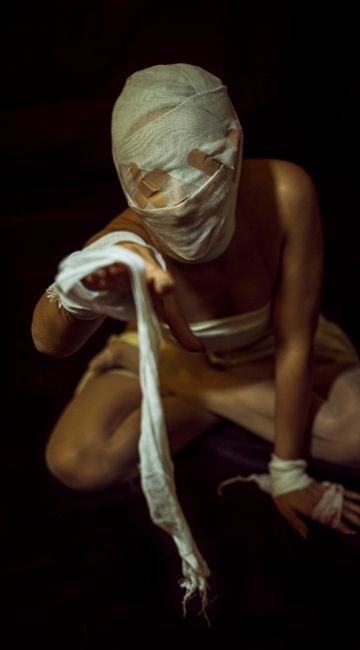
The film’s graphic violence is relentless and unflinching, featuring brutal scenes that are likely to be deeply unsettling․ The opening tableau shows a man’s tongue forcibly extracted, then he is mummified alive, a slow, claustrophobic horror that sets the tone․ Later, another victim is buried in a sarcophagus, only to be devoured by scarabs poured into his coffin; insects crawl over exposed flesh, gnawing bone and muscle․ A man hanging is shown strangling, not dying, with the rope tightening to emphasize slow, agonizing strangulation․ Blood splatters across the screen, organs are exposed, and limbs are severed in detail, with close‑up shots of dismemberment․ The violence extends beyond physical injury to psychological terror, as characters confront supernatural forces․ Each violent act escalates, culminating in a climactic scene that combines all shocking elements․ Parents should note that the violence is graphic, with no attempt to soften the impact․ The depiction of injury is meant to shock, not serve a narrative beyond horror․ The combination of gore, dismemberment, and slow methodical violence makes the film unsuitable for younger viewers or those sensitive to graphic content․ The creators present scenes in a realistic, almost documentary style, heightening realism and making the violence feel immediate and personal․ This raw portrayal can leave a lasting impression․ The film’s pacing amplifies the horror, making each scene linger in the viewer’s mind․ Parents must consider whether their children are mature enough to handle such intense, graphic violence before allowing them to view the film․ Parents should be fully informed about the gore and brutality before deciding if it is appropriate for their family․!!!??
Body Horror and Disturbing Imagery
The film’s body‑horror elements are pervasive, beginning with the chilling scene of a man’s tongue being extracted and his body subsequently mummified alive․ The process is shown in painstaking detail, with the skin tightening around the corpse, the flesh drying, and the eyes glinting as the man’s consciousness fades․ Another disturbing sequence involves a sarcophagus filled with scarabs that slowly consume the victim from the inside out; insects crawl over exposed bone, gnawing through muscle and bone, leaving a trail of decay․ The film also depicts a man hanging, yet he does not die; the rope tightens around his throat, and the camera lingers on the slow, agonizing strangulation, a visceral reminder that death can be prolonged and painful․ The horror escalates when characters are transformed into grotesque, insect‑laden beings, with their skin cracking open to reveal alien anatomy․ The cinematography emphasizes close‑up shots of flesh tearing, organs spilling, and limbs disintegrating, creating a sense of claustrophobia and dread․ The film’s use of practical effects and makeup further enhances the realism, making the body horror feel immediate and personal․ Parents should note that the disturbing imagery is not merely for shock value; it is integral to the narrative, illustrating the curse’s corrupting influence․ The relentless focus on physical degradation can be deeply unsettling for younger viewers and those sensitive to graphic content․ Parents should carefully evaluate whether their children can handle such intense, visceral horror before allowing them to watch the film․ The film’s body‑horror underscores the bleak tone of the ancient curse and its terror․!!!?
Sexual Content and Adult Themes
While the film’s primary focus is on supernatural horror and the relentless pursuit of an ancient curse, it does incorporate a handful of adult‑oriented elements that may not be suitable for younger audiences․ The narrative includes a brief, non‑explicit romantic subplot between the protagonists, which is portrayed with subtle tension rather than overt sexual activity․ This scene is meant to deepen character motivations and underscore the emotional stakes of the story․ Additionally, the film touches on mature themes such as grief, guilt, and the psychological toll of losing a child․ These themes are explored through dialogue and internal monologues, providing a nuanced look at how trauma can shape a person’s decisions and relationships․ While the film does not feature explicit sexual content, it does contain suggestive moments that rely on implication rather than graphic depiction․ Parents should note that the storyline’s focus on loss and the moral complexities of the characters’ choices may provoke strong emotional responses in sensitive viewers․ The adult themes are woven into the plot to create a sense of realism and to heighten the stakes, but they are not the central element of the film․ Parents are encouraged to consider the maturity level of their children when deciding whether to allow them to watch the film, as the emotional intensity and the subtle adult content may be challenging for younger audiences․ The film’s approach to adult themes is and, yet,it remains accessible to audiences,who can handle without sexual content․!
Plot Overview Relevant to Parents
The story follows parents who lose their daughter, Katie․ Eight years later she reappears, but she has changed․ The film explores her transformation and the parents’ struggle to understand the ancient curse that altered her․ The plot is tense, dark, and emotionally charged․ Parents confront horror, to find calm․
Central Storyline and Key Events
Jack and Laia Reynor, a loving couple, are introduced in Cairo as they plan a family trip․ Their daughter, Katie, disappears during a visit to the Giza plateau, leaving the parents heartbroken and the city in mourning․ The opening scenes contrast the bustling streets with the quiet emptiness of their home, punctuated by a flashback of Katie laughing in a sunlit courtyard, a stark reminder of what was lost․
Eight years later, a mysterious tip leads the Reynors to a hidden tomb near the Sphinx․ The desert trek is perilous, with sandstorms, treacherous cliffs, and warnings from nomads about an ancient curse that has claimed many before them․ They find a sealed sarcophagus, its heavy stone lid bearing intricate carvings, and inside, Katie—alive but transformed: pallid skin, glassy eyes, and a low, guttural voice․ A small, ornate jar of scarabs sits beside the sarcophagus, their shells glinting in the dim light, hinting that the curse feeds on the beetles, slowly devouring the body from within․
The film reveals the curse’s origins: a pharaoh’s final wish to bind his spirit to the living, manifested through mummification rituals and the consumption of scarabs․ The Reynors discover a jar of beetles beside the sarcophagus, and the curse’s mechanism becomes clear․ They witness Katie’s body twitching, her limbs moving against her will, and hear whispers that echo from the tomb’s walls, underscoring the horror of her transformation․
Key events unfold: the disappearance, the tomb’s discovery, Katie’s return, the curse’s revelation, and the parents’ struggle to reconcile love with horror․ The curse erodes memory, turning Katie into a vessel for a malevolent entity․ During the parents’ search, they confront the entity’s presence growing louder, and the Reynors must weigh the cost of a risky ritual that could erase the curse but risk losing Katie forever․
The climax sees Jack and Laia confronting the entity at the desert’s edge․ The wind howls as the entity’s presence swells, and the Reynors must decide whether to perform a dangerous ritual to restore Katie or protect the world from the entity she carries․ The final scenes blend visceral horror with a poignant exploration of parental devotion and the limits of sacrifice, leaving viewers to ponder the true cost of love when faced with the supernatural․
Transformation and Psychological Impact on Characters
Jack and Laia experience a profound psychological shift as they confront their daughter’s altered state․ The initial shock transforms into a relentless battle between love and fear, as they question whether Katie is still their child or a vessel for an ancient curse․ The relentless presence of the scarab jar and the echoing whispers from the tomb amplify their anxiety, turning every decision into a moral dilemma․ Their nightly dreams are haunted by the image of a pale, glass‑eyed child, and the weight of potential loss gnaws at their sense of reality, causing insomnia and heightened irritability that ripple into their daily interactions․
Meanwhile, Katie herself undergoes a terrifying metamorphosis․ Her body, once vibrant, now bears the pallor of a mummy, and her movements are controlled by an unseen force․ The psychological toll manifests as a loss of agency, an identity crisis that leaves her isolated from her parents and the world․ Her eyes, once bright with curiosity, now flicker with an otherworldly hunger, and she struggles to articulate her thoughts, forcing her to rely on guttural sounds․ The film portrays her internal struggle through subtle facial expressions and the slow, deliberate pacing of her gestures, underscoring the horror of a child trapped within a body that no longer belongs to her․
The parents’ relationship strains as they balance protective instincts with fear of contagion․ Conversations become terse, laden with dread․ The tension culminates in a climactic choice: perform a perilous ritual to restore Katie or let the curse spread, safety․

Viewer Suitability Assessment
Rated R, this film’s intense gore, body‑horror, and psychological dread make it unsuitable for anyone under 17․ Parents should consider the graphic violence and disturbing imagery before allowing teens to watch․ The content may trigger anxiety or nightmares․ It may cause terror!!․
Recommended Age Group and Why
Based on the film’s intense gore, graphic violence, and disturbing body‑horror, the consensus among film‑rating authorities and parent‑guide experts is that it is best suited for viewers aged 17 and older․ The R rating reflects scenes that are not only visually shocking but also psychologically unsettling, featuring prolonged depictions of physical injury, mutilation, and the slow, almost ritualistic consumption of a character by scarabs․ These elements can trigger strong emotional responses in younger audiences, including anxiety, nightmares, and a lasting sense of unease․
For adolescents between 13 and 16, the film’s content may be too mature for many․ While some teens might handle the violence, the combination of explicit gore, the transformation of a child into a monstrous entity, and the relentless, claustrophobic atmosphere can overwhelm a developing mind․ Parents should consider the individual sensitivity of their child, as well as any history of trauma or anxiety disorders that could be exacerbated by such intense imagery․
Adults, on the other hand, are generally equipped to process the film’s themes of loss, grief, and the supernatural without the same level of distress․ The narrative’s exploration of a family’s descent into horror is intended for mature audiences, offering psychological depth that may resonate with adults than younger viewers․
According to the Motion Picture Association (MPA), the R rating is assigned when a film contains “graphic violence, explicit sexual content, or strong language” that could be harmful to younger viewers․ In this case, the film’s depiction of a man’s tongue being cut out, the slow consumption by scarabs, and the repeated scenes of strangulation all fall under the category of “graphic violence․” Common Sense Media’s review further emphasizes that the film’s gore is “extremely gory” and that the transformations are “squirm‑inducing․” These professional assessments reinforce the 17+ recommendation․ Parents should consult the rating certificate․
Ultimately, the decision to allow a teen to view the film should involve a conversation about the nature of the content, the teen’s emotional resilience, and the family’s values․ Some parents may choose to watch the film together to provide context and reassurance, while others may decide to postpone viewing until the teen is older․ The key is to respect the film’s mature rating and the potential impact on younger viewers․
Potential Emotional Effects on Younger Viewers
Young viewers exposed to the film’s gore, body‑horror, and transformations may experience a range of emotional reactions․ The vivid depiction of a man’s tongue being cut out, the slow consumption by scarabs, and repeated strangulation scenes can trigger acute anxiety and a heightened startle response․ Children and early teens may develop nightmares with recurring images of mutilation or being trapped in a tomb․ The film’s portrayal of a child’s transformation into a monstrous entity can also evoke feelings of helplessness and fear of loss, potentially leading to irritability or withdrawal from social activities․
Moreover, the stimuli—blood splatter, guttural screams, and claustrophobic music—can overwhelm a nervous system, causing symptoms such as heart rate, sweating, or a sense of panic․ Some adolescents may also experience a lingering sense of dread or suspicion toward everyday situations that resemble the film’s setting, such as being in a dark, enclosed space or encountering unfamiliar insects․ These emotional disturbances may persist for days or weeks after viewing, affecting school performance, sleep quality, and mood․
Parents should be alert for signs of distress: sudden nightmares, avoidance, or an expressed concern․ If such symptoms arise, it may be necessary to provide reassurance, discuss the fictional nature of the film, and seek professional guidance․ The film’s content is designed for mature audiences; younger viewers may find it emotionally destabilizing, and the lasting impact can extend beyond the viewing experience․ These reactions can also affect a child’s sense of safety and trust in familiar environments!!
Parental Guidance Tips for Discussing Themes
When addressing the intense horror elements of the film, parents should first acknowledge the R‑rating and the presence of graphic violence, body‑horror, and disturbing imagery․ Begin by explaining that the events—such as the tongue‑cutting, scarab infestation, and strangulation—are fictional and designed to elicit fear, not to depict real life․ Encourage children to ask questions about what they see and reassure them that the film is not a reflection of everyday reality․ Discuss the difference between a movie’s dramatic narrative and the safety of their own environment․ If a child expresses anxiety, suggest taking short breaks, breathing exercises, or watching a lighter film afterward․ Emphasize that the film’s themes of loss and transformation can be explored in a safe context, perhaps by reading age‑appropriate literature on coping with fear․ Finally, set clear viewing boundaries: limit exposure to younger viewers, monitor emotional reactions, and be ready to pause or stop the film if distress becomes overwhelming․ By approaching the conversation with empathy and clarity, parents can help mitigate the impact of the film’s disturbing content while fostering open communication about emotions and safety․
Parents should also consider the film’s pacing, which can be relentless and may lead to sensory overload․ Discuss how the narrative uses suspense to build tension, and remind children that the film’s climax is designed to frighten, not to harm․ Encourage them to pause if they feel uneasy, and to talk about fears afterward․
Alternatives for Younger Audiences
For families seeking a mummy‑themed adventure without the extreme gore and body‑horror of Lee Cronin’s R‑rated film, several age‑appropriate options exist․ Below is a curated list of movies and series that retain the excitement of ancient curses while staying within a PG‑13 or lower rating․
- The Mummy (1999) – This Brendan Fraser blockbuster blends comedy, action, and light‑hearted scares․ The plot follows explorer Rick O’Connell as he battles a resurrected Egyptian priest, but the violence is stylized, with minimal blood and no graphic dismemberment․
- The Mummy Returns (2001) – A sequel that continues the adventure tone․ While it introduces more combat, the visual effects remain cartoonish enough for pre‑teens, and the film is rated PG‑13 for fantasy violence․
- The Mummy (1932) – The classic black‑and‑white horror starring Boris Karloff offers atmospheric suspense without modern gore․ Its historical significance makes it suitable for older children when paired with discussion about early cinema․
- Jungle Cruise (2021) – Though not a mummy story, it features an archaeological quest and light supernatural elements, providing a safe alternative for fans of treasure‑hunting narratives․
These alternatives let younger viewers enjoy Egyptian myths and adventure without the graphic trauma of the R‑rated title․ Choose a film that matches your child’s comfort level, and always preview content to ensure a safe experience․